

How to Write SEO Friendly Blog Posts for Pet Sites
You spent hours writing a guide on choosing a wireless dog fence. It’s accurate and well-researched. Then it sits on page six of Google, and nobody reads it.
That’s frustrating, and it usually isn’t a quality problem. It’s a structure and intent problem.
Pet owners searching for fencing or safety advice are often worried. A dog has escaped, a collar isn’t working, or they’re about to spend hundreds of dollars on a system. Your job is to give them the right answer quickly, in a format Google can understand. Here is exactly how to write SEO friendly blog posts that answer those worries.
Quick Answer: What Makes a Blog Post SEO-Friendly?
The short version of how to write SEO friendly blog posts: choose one target keyword based on search intent, answer the question in the first 100 words, structure content with clear H2 and H3 headings, add original experience and helpful visuals, optimize the title and meta description, and link to related pages.
Why SEO Matters More in the Pet Safety Niche
Pet safety is what Google calls a “care-related” topic, which makes how to write SEO friendly blog posts a higher-stakes skill here. Bad advice can hurt an animal, so Google tends to reward content that shows real experience and accuracy.
That’s good news if you know your subject. A vet-reviewed or hands-on guide has a genuine edge over generic content.
Step-by-Step: How to Write SEO Friendly Blog Posts
1. Start With Search Intent, Not Keywords
Every guide on how to write SEO friendly blog posts should begin with one question: what does the searcher want? Someone typing “invisible fence not working” wants troubleshooting steps. Someone typing “best invisible fence” wants a comparison.
Search your keyword and study the top five results. Are they how-to guides, listicles, or product pages? Match that format, then improve on it.
2. Do Practical Keyword Research
Keyword research is the backbone of how to write SEO friendly blog posts, and you don’t need expensive software to start. Try this process:
- Pick a primary keyword (for example, “how to repair invisible fence wire”).
- Note 3 to 5 related phrases from Google’s autocomplete and “People Also Ask” boxes.
- Check whether the keyword is realistic for your site’s authority.
- Prefer specific, long-tail phrases over broad ones like “dog fence.”
Real-world tip: New sites should target narrow questions first. “How to find a break in an invisible fence wire” is far easier to rank for than “dog fences.”

3. Write a Title and Meta Description That Earn Clicks
Your title tag is your first impression. Keep it under 60 characters, put the main keyword near the front, and promise a clear benefit.
Your meta description doesn’t directly affect rankings, but it affects clicks. Aim for 150 to 160 characters, lead with a hook, and speak to the reader’s problem.
4. Build a Clear Heading Structure
Headings are a core part of how to write SEO friendly blog posts, because they help readers skim and help search engines understand your page. Follow these rules:
- Use one H1 (your title).
- Use H2s for main sections.
- Use H3s for subtopics under an H2.
- Include your keyword or a close variation in some headings, but only where it reads naturally.
5. Answer the Question Early
Place a short, direct answer within your first 100 words or right after the intro. This helps readers and gives you a shot at a featured snippet.
Then use the rest of the article to go deeper. Readers who get a fast answer often stay for the details.
6. Show Real Experience (E-E-A-T)
This is the part of how to write SEO friendly blog posts that most people skip. Google looks for Experience, Expertise, Authoritativeness, and Trustworthiness. In practice, that means:
- Share what you’ve tested, installed, or repaired yourself.
- Mention specific details, such as soil type, yard size, or dog breed and temperament.
- Cite manufacturer guidelines and veterinary or trainer input where relevant.
- Add an author bio with your credentials or hands-on background.
Compare “Check the wire for damage” with “In our tests, most breaks occurred near gate crossings and where the wire was buried shallowly.” The second one builds trust.
7. Keep Paragraphs Short and Skimmable
Short paragraphs are part of how to write SEO friendly blog posts that readers actually finish. Most visitors scan first, so help them by:
- Limiting paragraphs to two or three sentences.
- Using bullet points and numbered steps.
- Bolding key terms sparingly.
- Adding a table when you’re comparing options.
8. Optimize Images and Media
Original photos of your own installs and repairs beat stock images. Add descriptive alt text, such as “flagging a buried invisible fence wire break in a lawn.” Compress images so the page loads fast, especially for mobile readers.
9. Link Internally and Externally
Internal links keep readers on your site and help Google discover related pages. Link to guides that naturally continue the reader’s journey. For example, a wire-troubleshooting article could point to [Internal Link: how to repair a broken invisible fence wire]. A comparison post might reference [Internal Link: best invisible fence systems for stubborn dogs]. A safety article could link to [Internal Link: how to fit a dog collar correctly].
Use descriptive anchor text, not “click here.” Link out to authoritative sources, like manufacturer manuals or veterinary organizations, when they add value.
SEO Tools Compared
This table gives an editorial overview of tools that support how to write SEO friendly blog posts at each stage. Ratings are my own judgment, not official scores.
| Brand/Feature | Key Highlight | Best For | Rating/Durability |
|---|---|---|---|
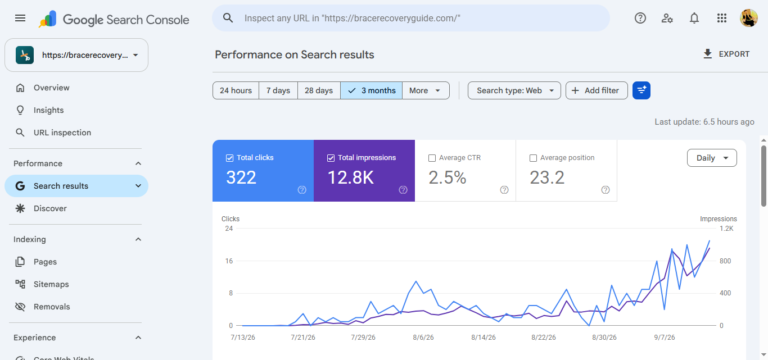
| Google Search Console | Free data on the queries that actually bring you traffic | Every site owner, especially beginners | Essential; the most reliable source |
| Google “People Also Ask” and Autocomplete | Real user questions, free | Finding FAQs and long-tail topics | Reliable; limited volume data |
| Semrush | Keyword research, competitor gaps, site audits | Agencies and growing blogs | Excellent; higher cost |
| Ahrefs | Strong backlink and keyword analysis | Link-building and competitive research | Excellent; higher cost |
| Yoast SEO / Rank Math | On-page checklists inside WordPress | Small blogs needing guidance | Solid; treat suggestions as guidelines |
Pros and Cons of Popular Approaches
Every tool has trade-offs. Here they are, seen through the lens of how to write SEO friendly blog posts.
Using Google Search Console
Pros
- ✓ Free and directly from Google
- ✓ Shows real queries and click-through rates
- ✓ Highlights pages that are close to ranking on page one
Cons
- ✗ Doesn’t show competitor data
- ✗ Has a learning curve for beginners
Using Paid Tools (Semrush or Ahrefs)
Pros
- ✓ Deep keyword difficulty and competitor insights
- ✓ Helpful for planning content clusters
Cons
- ✗ Monthly cost can be steep for hobby sites
- ✗ Keyword volumes are estimates, not exact figures
Relying on SEO Plugins (Yoast or Rank Math)
Pros
- ✓ Easy on-page checklist while you write
- ✓ Handles technical basics like sitemaps and schema
Cons
- ✗ A green score doesn’t guarantee rankings
- ✗ Can encourage over-optimization if followed blindly
Common Mistakes to Avoid
Even experienced writers slip up when practicing how to write SEO friendly blog posts. Watch for these:
- Keyword stuffing. Repeating a phrase unnaturally makes the post hard to read and can hurt performance.
- Ignoring intent. A sales-style page for an informational query won’t rank.
- Thin content. Two hundred words rarely answers a worried pet owner’s question.
- Skipping updates. Product specs, prices, and safety guidance change. Review key posts at least once a year.
- Forgetting mobile readers. Many searches for pet help happen on a phone, often in a stressful moment.
- Copying competitors. Add something they don’t, like original photos, test results, or a checklist.
A Simple Pre-Publish Checklist
Before you hit publish, run through this checklist for how to write SEO friendly blog posts:
- The primary keyword appears in the title, URL, and first 100 words.
- The title is under 60 characters and the meta description is 150 to 160.
- Headings are logical and skimmable.
- You’ve added at least three internal links and one authoritative external link.
- Images have alt text and are compressed.
- The post answers the question better than what’s currently ranking.
Frequently Asked Questions
What is the best way to learn how to write SEO friendly blog posts?
Study the top-ranking pages for your keyword, write one post using the steps above, then review its Search Console data after a few weeks and improve it. Practice with real posts teaches more than theory.
How long should an SEO-friendly blog post be?
There’s no magic number. Cover the topic fully without padding. Many informational guides perform well between 1,200 and 2,000 words, but a simple question may need less.
How often should I use my keyword?
Use it naturally in the title, the first paragraph, a few headings, and where it fits in the body. If a sentence sounds awkward when read aloud, rewrite it.
How long does it take for a new post to rank?
It varies with your site’s authority and the competition. Many new posts take several weeks to a few months to gain traction. Consistent updates and internal links can speed things up.
Do I need to update old blog posts?
Yes, especially in pet safety, where product details and recommendations change. Refreshing outdated posts with new information often improves rankings without writing from scratch.
Final Thoughts
Knowing how to write SEO friendly blog posts isn’t about tricking Google. It’s about understanding what a worried dog owner needs and delivering it clearly, honestly, and quickly.
Start with intent, structure your content for skimming, and back your advice with real experience. Do that consistently, and both readers and search engines will reward you.




2 Comments