
Fashion Dropshipping How to Start: 2026 Beginner Guide
Starting a clothing business used to mean renting storage, buying hundreds of units, and hoping your sizes sold. Dropshipping changes that. You list products online, a supplier ships them, and you never touch the inventory.
It sounds simple, and the setup really is. But fashion is one of the trickiest dropshipping categories. Sizing, returns, and quality complaints can sink a store fast.
This guide covers fashion dropshipping how to start from scratch, from picking a niche to making your first sale. You’ll also see the mistakes that trip up most beginners.
Quick Answer: Fashion Dropshipping How to Start
To start fashion dropshipping, choose a specific niche, pick a reliable supplier, build a store on a platform like Shopify, order product samples, and launch with focused marketing. You never hold inventory, so startup costs stay low, but success depends on supplier quality and clear return policies.
What Is Fashion Dropshipping?
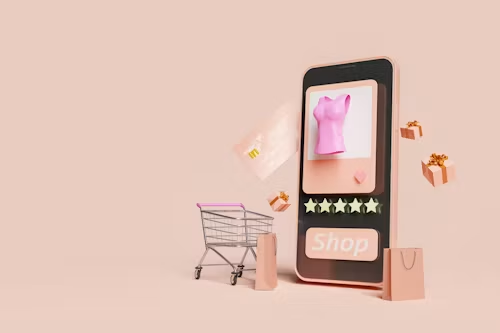
If you’re researching fashion dropshipping how to start, the basic model is the first thing to understand. It’s a retail setup where you sell clothing, shoes, or accessories without stocking them. A customer orders from your store. You pass the order to a supplier, who packs and ships it directly to the customer.
You keep the difference between your price and the supplier’s price. That gap is your profit margin.
How the Process Works
- A customer finds your product and pays you the retail price.
- You forward the order and the wholesale payment to your supplier.
- The supplier ships the item under your store’s branding (or plain packaging).
- You handle customer service, marketing, and returns.
Notice what you own here: the brand, the customer relationship, and the marketing. Notice what you don’t control: packing speed, stock levels, and product consistency. Most dropshipping problems come from that second list.
Is Fashion Dropshipping Worth It?
It can be, but it isn’t the passive income some YouTube videos suggest. Before you follow any fashion dropshipping how to start checklist, weigh the trade-offs honestly. Think of it as a low-cost way to test a business idea, not a shortcut around real work.
Pros of Fashion Dropshipping
- ✓ Low startup cost. You don’t buy stock upfront, so you can launch with a modest budget.
- ✓ Easy to test ideas. You can list 20 products, see what sells, and drop the rest.
- ✓ Work from anywhere. All you need is a laptop and an internet connection.
- ✓ Scalable. Suppliers handle fulfillment as order volume grows.
Cons of Fashion Dropshipping
- ✗ Thin margins. Competition keeps prices low, and ad costs eat into profit.
- ✗ High return rates. Fit and sizing issues make clothing returns more common than in many other categories.
- ✗ Little quality control. You haven’t seen what’s being shipped unless you order samples.
- ✗ Long shipping times. Overseas suppliers can take weeks, which frustrates customers.
Step 1: Choose a Specific Niche
Every fashion dropshipping how to start plan begins with a niche, and for good reason. “Women’s clothing” is not a niche. It’s an ocean, and big retailers already own it. You need a smaller pond.
A good niche has a clear audience, a recurring need, and room for a distinct style. Think “sustainable activewear for yoga teachers” instead of “workout clothes.”
Niche Ideas Worth Exploring
- Modest fashion
- Plus-size streetwear
- Maternity and nursing wear
- Sustainable or eco-friendly basics
- Workwear for specific professions
- Pet owner apparel and accessories
That last one is more promising than it looks. Pet owners spend freely on matching gear, from stylish harnesses to custom tags. If you want inspiration on this crossover, our guide on [Internal Link: choosing the right dog collar] shows what pet parents actually look for in quality and style.
How to Validate Your Niche
- Search your idea on Google Trends to check long-term interest.
- Browse Instagram and TikTok hashtags to see if real communities exist.
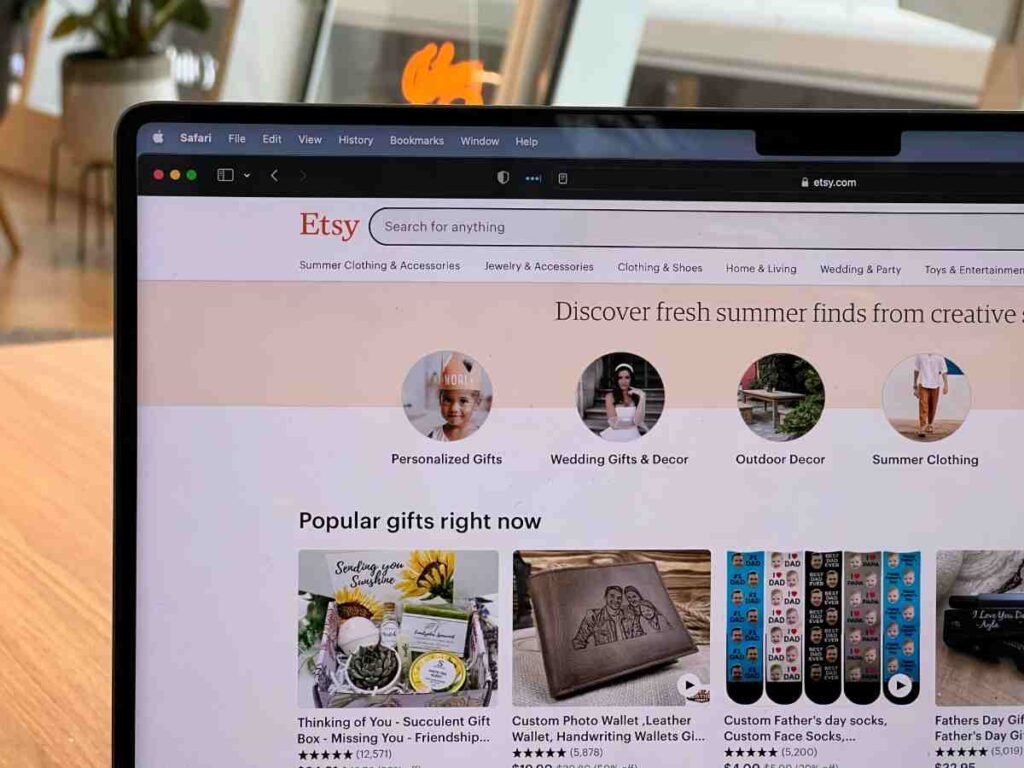
- Check Etsy and Amazon for existing demand.
- Read competitor reviews to spot complaints you could solve.
Step 2: Find Reliable Suppliers
Of all the fashion dropshipping how to start decisions, supplier choice matters most. Your supplier is your business. A great product page means nothing if the shirt arrives torn three weeks late.
Where to Find Fashion Suppliers
- Dropshipping apps that connect directly to your store
- Print-on-demand services for custom designs
- Wholesale directories for regional or boutique suppliers
- Direct manufacturer contact once you have sales volume
Comparison of Popular Fashion Dropshipping Options
Here’s a quick comparison for anyone studying fashion dropshipping how to start with the right supplier.
Ratings below are editorial impressions based on commonly reported experiences. Always verify current terms and test products yourself.
| Brand/Feature | Key Highlight | Best For | Rating/Durability |
|---|---|---|---|
| Spocket | Many US and EU suppliers, faster delivery | Stores prioritizing quick shipping | Good; quality varies by supplier |
| Printful | Print-on-demand with branded packaging | Custom designs and branded apparel | Very good; consistent print quality |
| Printify | Large network of print providers | Flexible pricing and variety | Good; depends on chosen provider |
| CJdropshipping | Wide catalog with sourcing support | Beginners testing many products | Moderate; sample before selling |
| AliExpress (via DSers) | Huge selection at low cost | Low-budget product testing | Variable; longer shipping times |
| Local boutique wholesalers | Unique, small-batch items | Premium or niche brands | Often high; fewer unit options |
Pros and Cons of Overseas Suppliers
Pros
- ✓ Very low product cost
- ✓ Massive product variety
- ✓ Easy automation with store integrations
Cons
- ✗ Shipping can take 2 to 4 weeks
- ✗ Quality and sizing can be inconsistent
- ✗ Returns are often complicated or impractical
Pros and Cons of Domestic Suppliers
Pros
- ✓ Faster delivery builds customer trust
- ✓ Easier communication and returns
- ✓ Often better quality control
Cons
- ✗ Higher wholesale prices
- ✗ Smaller catalogs
- ✗ Tighter profit margins at low retail prices
Always Order Samples
This is the step most beginners skip. Order every product you plan to sell. Check the stitching, fabric weight, color accuracy, and sizing against the supplier’s chart.
Samples cost money, but selling a bad product costs far more in refunds and bad reviews.
Step 3: Pick a Platform and Build Your Store
Choosing a platform is the next piece of the fashion dropshipping how to start puzzle. Your store should load fast, look trustworthy, and work well on phones, since most fashion shoppers browse on mobile.
Popular Platform Choices
- Shopify: The most common choice, with many dropshipping integrations.
- WooCommerce: Free plugin for WordPress, with more control but more setup.
- BigCommerce: Solid built-in features for growing stores.
If you already run a WordPress site, WooCommerce may feel natural. Beginners usually find Shopify easier.
Must-Have Pages
- Clear product pages with multiple photos
- A detailed size guide for every item
- Shipping information with honest delivery times
- A simple return policy
- Contact page and About page
Honest delivery times matter more than you’d think. A customer who knows a package takes three weeks is patient. A customer who expected five days is angry.
Step 4: Write Product Pages That Actually Sell
Don’t copy and paste supplier descriptions. They’re usually thin, awkward, and identical to what a hundred other stores publish. Google also treats duplicate content poorly.
What a Strong Product Page Includes
- A short, benefit-focused headline
- Fabric, fit, and care details
- A real size chart in inches and centimeters
- Several high-quality images, ideally on different body types
- Honest notes like “runs small, size up”
Your own photos beat supplier photos. Even simple phone shots from your samples build more trust than stock images.
Step 5: Set Smart Pricing
Pricing is where many fashion dropshipping how to start plans fall apart. Too low and you can’t cover ads and returns. Too high and shoppers choose a bigger brand.
A Simple Pricing Formula
- Add the product cost and shipping cost.
- Add transaction fees from your payment processor.
- Estimate your cost to acquire a customer.
- Add a buffer for returns.
- Set a price that leaves a healthy margin after all of that.
The right margin depends on your niche and ad costs. Run the math on every product before listing it.
Step 6: Market Your Store
Marketing is the last big piece of fashion dropshipping how to start. A beautiful store with no traffic makes no sales. Fashion is visual, so lean into platforms where people discover style.
Marketing Channels to Consider
- Instagram and TikTok: Short videos showing outfits in real settings.
- Pinterest: Strong for outfit inspiration and long-lived pins.
- Email marketing: Collect addresses from day one and send launch offers.
- Paid social ads: Useful once you know which product converts.
- SEO and blogging: Slower, but it brings steady traffic over time.
Start Small With Ads
Don’t spend big on day one. Test one or two products with a small daily budget. Watch which creative gets clicks, then scale what works.
Marketing also works best when your products solve a problem. A fashion-forward pet brand, for example, could pair apparel with practical safety content like [Internal Link: how invisible fences keep dogs safe] to attract owners who care about both style and protection.
Step 7: Handle Customer Service and Returns
Returns deserve a spot in every fashion dropshipping how to start plan. They’re a fact of life in clothing, so plan for them instead of hoping they won’t happen.
Tips for Managing Returns
- Write a clear policy and display it prominently.
- Offer exchanges before refunds when possible.
- Confirm your supplier’s return process before you sell their product.
- Reply to customer messages within 24 hours.
Fast, friendly replies turn upset customers into repeat buyers. They also prevent chargebacks, which can damage your payment account.
Common Mistakes Beginners Make
These errors show up again and again among people learning fashion dropshipping how to start.
- Choosing too many products. A focused catalog of 15 to 30 items looks more professional than 500 random ones.
- Skipping samples. You can’t promise quality you’ve never seen.
- Ignoring sizing. Poor size charts cause most fashion returns.
- Hiding shipping times. Surprises lead to complaints and disputes.
- Copying trending products blindly. If everyone sells it, nobody wins.
- Giving up too early. Most stores need months of testing before finding a winner.
Realistic Expectations
Most beginners earn little in their first months. That’s normal. You’re learning what your audience wants, what your suppliers can deliver, and what your ads cost.
Treat the first 90 days of fashion dropshipping how to start as a testing period. Track your numbers weekly, including traffic, conversion rate, return rate, and profit per order. Small improvements add up quickly.
If your store ever involves electronics or pet tech, such as smart collars, learn the basics of troubleshooting so you can support customers. Our walkthrough on [Internal Link: fixing a broken boundary wire] shows the kind of practical help buyers appreciate after the sale.
Frequently Asked Questions
Is fashion dropshipping still profitable?
Yes, but margins are tighter than before. Profit comes from a focused niche, quality products, and efficient advertising rather than from random trending items.
How much money do I need to start fashion dropshipping?
You can start with a modest budget covering your store subscription, a domain, product samples, and test ads. Exact costs vary, but you don’t need to buy inventory upfront.
Fashion dropshipping how to start: what is the first step?
Choose a specific niche. Everything else, from suppliers to branding to ads, depends on knowing exactly who you’re selling to.
How do I avoid high return rates in fashion dropshipping?
Order samples, publish accurate size charts, use real photos, and describe fit honestly. Clear information before purchase is the best defense against returns.
Final Thoughts
Now that you know fashion dropshipping how to start, the next move is yours. Pick a narrow niche, vet your suppliers, test your products, and be honest with customers about shipping and sizing.
You won’t build a successful store overnight. But with a small budget, steady testing, and a focus on quality, you can build something real, one order at a time.

One Comment