

Build Trust New Ecommerce Store: 12 Proven Fixes That Work
How to Build Trust on a New Ecommerce Store (Even With Zero Reviews)
Launching an online shop is exciting, but the biggest hurdle is convincing strangers to enter their card details on your site. Every founder who wants to Build Trust New Ecommerce Store shoppers can rely on must accept that trust is earned, not assumed. The good news is that the effort to Build Trust New Ecommerce Store visitors respond to is mostly practical and affordable.
In this guide, you’ll learn how to Build Trust New Ecommerce Store owners can apply from day one. A clear plan to Build Trust New Ecommerce Store brands need starts with the basics below.
The good news? Trust isn’t magic. It’s a checklist. Below is exactly what shoppers scan for in the first 8 seconds on your site, and what you can fix today.
At a Glance: Trust Signals vs. Fixes
| Observed Behavior / Sign | What It Means | Immediate Owner Action |
|---|---|---|
| High bounce rate, low time on page | Visitors don’t believe the store is legitimate | Add trust badges, real photos, and a visible contact page |
| Cart abandonment at checkout | Shipping/return policy feels unclear or risky | Show delivery time, refund policy, and secure payment icons at checkout |
| No repeat visitors | No social proof or reason to remember the brand | Add reviews, UGC, and an email capture with a real value offer |
| Visitors leave on the “About” page | Store feels faceless or generic | Add founder story, real team photo, business address |
| Traffic but zero conversions | Price or product legitimacy is questioned | Add comparison, guarantees, and third-party verification badges |
Why Trust Is the #1 Bottleneck for New Stores
Every new store owner assumes the problem is traffic. It’s usually not. You can get 10,000 visitors and still make zero sales if nobody believes your store is real. When you build trust on a new ecommerce store, you’re not decorating your site — you’re removing the psychological friction that stops a stranger from buying.
Think about the last time you almost bought from an unfamiliar site and backed out. It probably wasn’t the product. It was a nagging feeling that something felt “off.” That feeling is what you’re solving for.
1. Fix Your Homepage’s First 5 Seconds
Shoppers decide whether your store looks legitimate almost instantly, before reading a single word. A cluttered, generic, or slow-loading homepage kills trust before your copy even gets a chance.
Use high-quality real product photos, not stretched stock images. Make sure your logo, tagline, and navigation feel intentional, not thrown together overnight.
If your homepage design still feels unfinished, our guide on [Ecommerce Homepage Design Checklist] walks through the exact layout that converts cold traffic.
2. Show a Real Human Behind the Brand
Anonymous stores feel risky. Adding a short founder story, a real face, and a genuine “why we started this” section instantly makes your business feel less like a random storefront and more like a company run by an actual person.
This single step is one of the fastest ways to build trust on a new ecommerce store without spending a rupee on ads or reviews.
3. Make Contact Information Impossible to Miss
A visible phone number, business email, and physical address (even if it’s a registered virtual address) tells visitors there’s someone accountable on the other end. Hidden or missing contact details are one of the biggest red flags shoppers scan for.
Put this information in your footer, your About page, and ideally your homepage.
4. Use Trust Badges — But Only Real Ones
Secure checkout badges, payment provider logos (Visa, PayPal, Stripe), and SSL certificate icons near your “Add to Cart” button reduce checkout anxiety significantly. Never fake a badge you don’t actually have — this destroys credibility instantly if a visitor checks.
If you’re also running a related shop and unsure which payment trust badges convert best in your region, this ties directly into what we cover in [Ecommerce Checkout Optimization Guide].
5. Reviews Are Non-Negotiable (Even Early On)
New stores often panic because they have zero reviews. Solve this by sending your first 10-20 orders a small incentive for an honest review, or using a soft-launch to friends/family before public ads.
Even three or four genuine reviews outperform a store with none at all. Visitors don’t need thousands of reviews — they need proof someone, anyone, has bought and been satisfied.
6. Add User-Generated Content (UGC)
Real customer photos, unboxing videos, or short testimonial clips feel far more authentic than polished marketing images. UGC signals that actual people — not just the brand itself — stand behind the product.
7. Be Transparent About Shipping and Returns
Vague shipping timelines create doubt. State clearly: “Ships within 2-3 business days” or “Delivered in 5-7 days,” and make your return policy easy to find, not buried in fine print.
To genuinely build trust on a new ecommerce store, your policies need to feel generous and clear, not defensive.
8. Optimize Site Speed and Mobile Experience
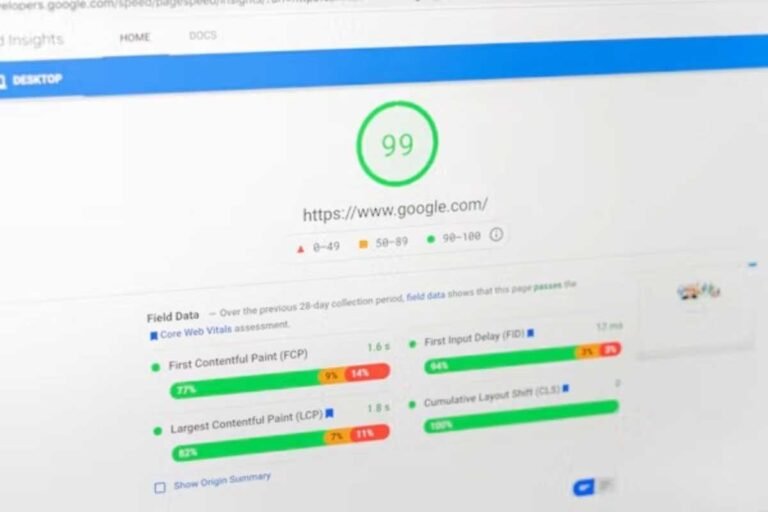
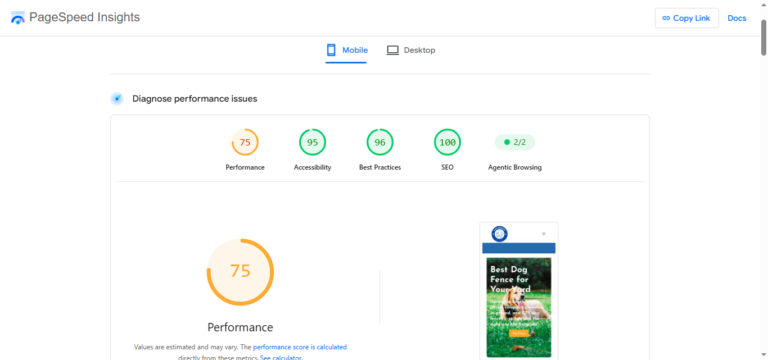
A slow-loading store feels amateur, even if the products are great. Compress images, use a lightweight theme, and test your checkout flow on mobile specifically, since most first-time visitors will land there.
9. Add Live Chat or a Fast Response Promise
Even a simple chat widget with a “We reply within 1 hour” message reduces buyer hesitation. Shoppers want to know that if something goes wrong, a real person will respond quickly.
10. Show Security and Guarantee Badges at Checkout
Security is non-negotiable when money is involved. An SSL certificate, secure-payment badges, and trusted payment gateways instantly help Build Trust New Ecommerce Store shoppers can verify at checkout. Offer multiple payment options, including cash on delivery where relevant,
Since flexibility is a proven way to Build Trust New Ecommerce Store buyers feel comfortable with. Add a short privacy policy explaining how you handle data, because it supports your goal to Build Trust New Ecommerce Store customers return to. Never ask for unnecessary personal details; respecting privacy is a quiet but powerful method to Build Trust New Ecommerce Store owners often forget.
If checkout drop-off is still your biggest issue, our related piece on [Reducing Cart Abandonment on New Stores] breaks down page-by-page fixes.
11. Keep Your Branding Consistent Everywhere
If your Instagram, Facebook, and website all look disconnected — different fonts, tones, or even different logos — it signals an unstable or thrown-together business. Consistency across every touchpoint is a quiet but powerful trust builder.
12. Get Verified Where Possible
Business registration, a Google Business Profile, and verified social media accounts all add small but compounding layers of legitimacy. None of these alone will build trust on a new ecommerce store overnight, but together they create a cumulative sense of credibility.
When to Bring in Expert Help
Not every trust problem can be solved with a checklist. Sometimes the issue runs deeper into technical setup, payment gateway credibility, or design execution.
You’ve fixed the basics (badges, policies, contact info) but conversions are still flat after 30+ days
Your bounce rate stays above 70% despite relevant traffic
You’re unsure whether your checkout flow is technically secure
Your payment gateway has flagged or delayed payouts — this needs immediate professional review, not a DIY fix
Customers report being unable to complete checkout — this is a technical trust emergency, fix it before running any more ads
If any of the points apply, pause traffic spend and get a developer or ecommerce specialist to audit the store before spending another rupee on marketing.
Frequently Asked Questions
How long does it take to build trust on a new ecommerce store?
Most stores see meaningful trust improvement within 2-4 weeks of adding reviews, clear policies, and real contact information — trust compounds gradually rather than appearing overnight.
Do I need reviews before running paid ads?
Ideally yes. Even a handful of genuine reviews before scaling ad spend significantly improves conversion rates and lowers cost per sale.
What’s the fastest trust signal to add to a new store?
Visible contact information and a clear return policy are the fastest wins — both take under an hour to implement and immediately reduce checkout hesitation.
First impressions decide whether a visitor stays or leaves. A professional design, fast-loading pages, and clean navigation are the first signals that help Build Trust New Ecommerce Store visitors feel safe. Use a consistent logo, readable fonts, and sharp product photos, because sloppy visuals make it harder to Build Trust New Ecommerce Store buyers will believe in.
Mobile-friendliness matters too, since most shoppers browse on their phones. When you set out to Build Trust New Ecommerce Store customers remember, treat your design as your digital shopfront. Every polished detail you add helps Build Trust New Ecommerce Store shoppers won’t hesitate to buy from.
Final Thoughts
Trust isn’t a single feature you add once. It’s a collection of small, consistent signals that stack together until a stranger feels safe enough to buy. If you focus on real photos, transparent policies, visible contact details, and early social proof, you’ll build trust on a new ecommerce store faster than most competitors who are still chasing traffic instead of credibility.



One Comment